.png)
Static Workflows Are Killing Your Conversions: 5 Behavior-Triggered Automation Hacks That Actually Work
- fflowers32
- Feb 23
- 5 min read
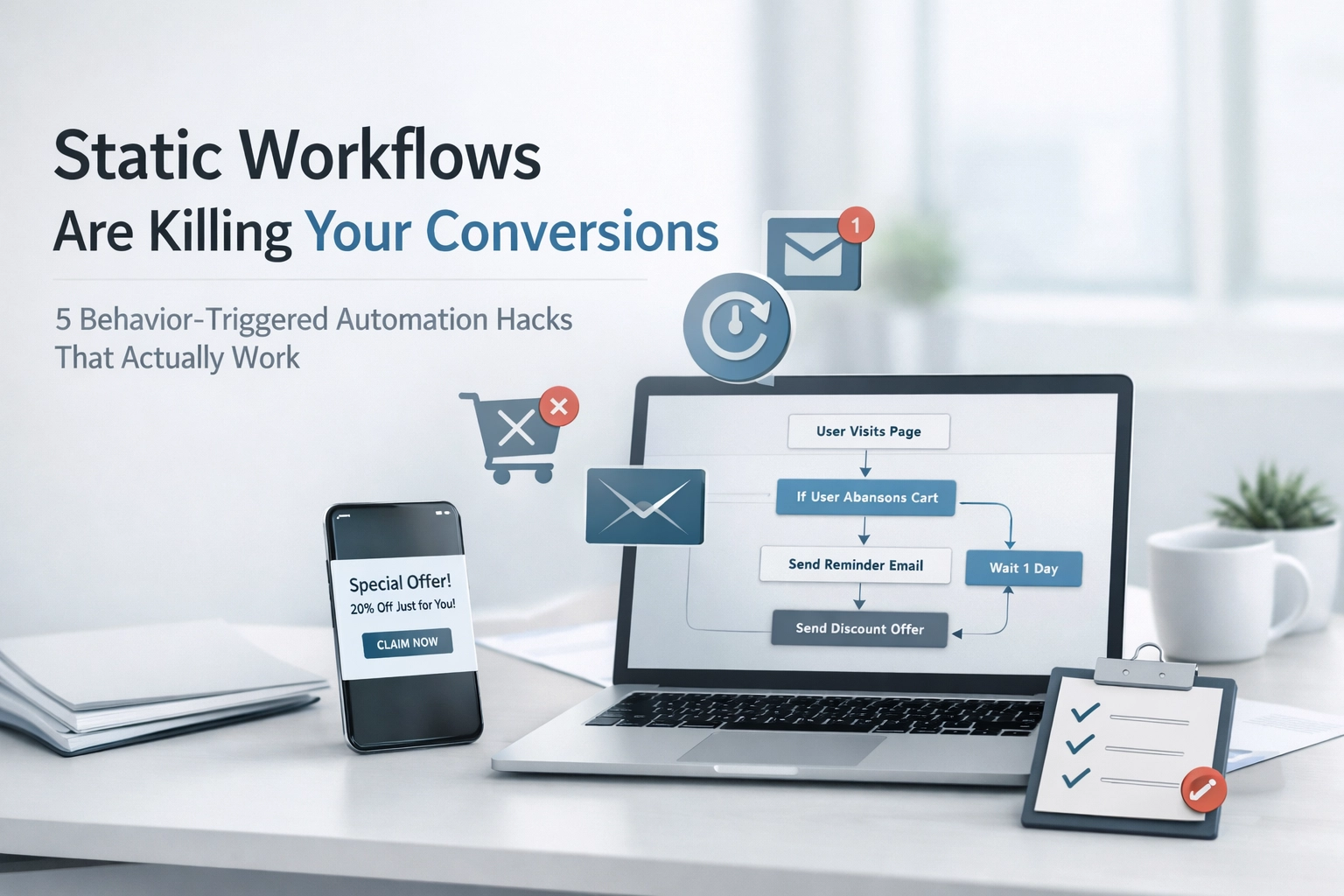
Your marketing automation is running 24/7. Emails are sending. Forms are routing. Lead scores are updating. Everything looks good in the dashboard.
So why are your conversions stuck?
Here's the uncomfortable truth: most marketing teams are running static workflows that made sense in 2019 but fail spectacularly in 2026. They're built on rigid if-this-then-that logic that treats every prospect like they're following the same predictable path. Spoiler alert: they're not.
The companies crushing it right now have moved beyond static automation. They're using behavior-triggered systems that adapt in real-time based on what customers actually do, not what you hoped they'd do.
Let's break down exactly how to build these systems & why they outperform traditional workflows by margins that'll make your CFO smile.
Why Static Workflows Fail in 2026
Static workflows operate like assembly lines. They follow predetermined rules with zero flexibility. If X happens, do Y. Every time. No exceptions.
This approach has three fatal flaws:
It requires you to predict every possible scenario upfront: an impossible task in dynamic markets
It can't adapt when customer behavior shifts or new patterns emerge
It treats edge cases as errors rather than opportunities to learn & optimize
Think about your current lead nurture sequence. Someone downloads a whitepaper, so they get Email 1 on Day 1, Email 2 on Day 4, Email 3 on Day 7. Doesn't matter if they visited your pricing page twice, attended a webinar, or forwarded your content to their entire leadership team. The sequence marches forward like clockwork.
That's not automation. That's just scheduled ignorance.

The Behavior-Triggered Difference
Behavior-triggered automation monitors context continuously & makes decisions based on real-time inputs. Instead of following a script, it interprets signals & chooses the most suitable next action for each individual.
Here's the core distinction: static workflows check a single data point against a rule. Behavior-triggered systems observe multiple signals simultaneously, then personalize the response based on what that specific customer needs right now.
A customer hasn't engaged in 30 days? A static workflow sends the same "We miss you" email to everyone. A behavior-triggered system looks at their browsing history, previous purchases, support tickets, & social engagement: then decides whether they need a discount, a product tutorial, a check-in call, or nothing at all.
This contextual intelligence is what drives conversion lift. You're not blasting messages into the void. You're responding intelligently to demonstrated intent.
Hack 1: Replace Time-Based Triggers with Intent Signals
Stop using calendars as your primary trigger. Start monitoring behavioral clusters.
Traditional approach: Send follow-up email 3 days after demo.
Behavior-triggered approach: Send follow-up when prospect visits pricing page, views case study, & checks integration docs within 48 hours: regardless of when the demo happened.
How to implement:
Map high-intent behaviors specific to your buyer journey (repeat visits to specific pages, time on site thresholds, content consumption patterns)
Assign point values based on conversion correlation, not gut feel
Trigger actions when behavior combinations cross threshold scores
Build feedback loops that adjust point values based on actual conversion data
This shift alone can increase your email engagement rates by 40-60% because you're reaching people when they're actively evaluating, not when your calendar says it's time.
Hack 2: Build Adaptive Routing Logic That Learns
Your lead routing rules were probably written once & never updated. That's a problem.
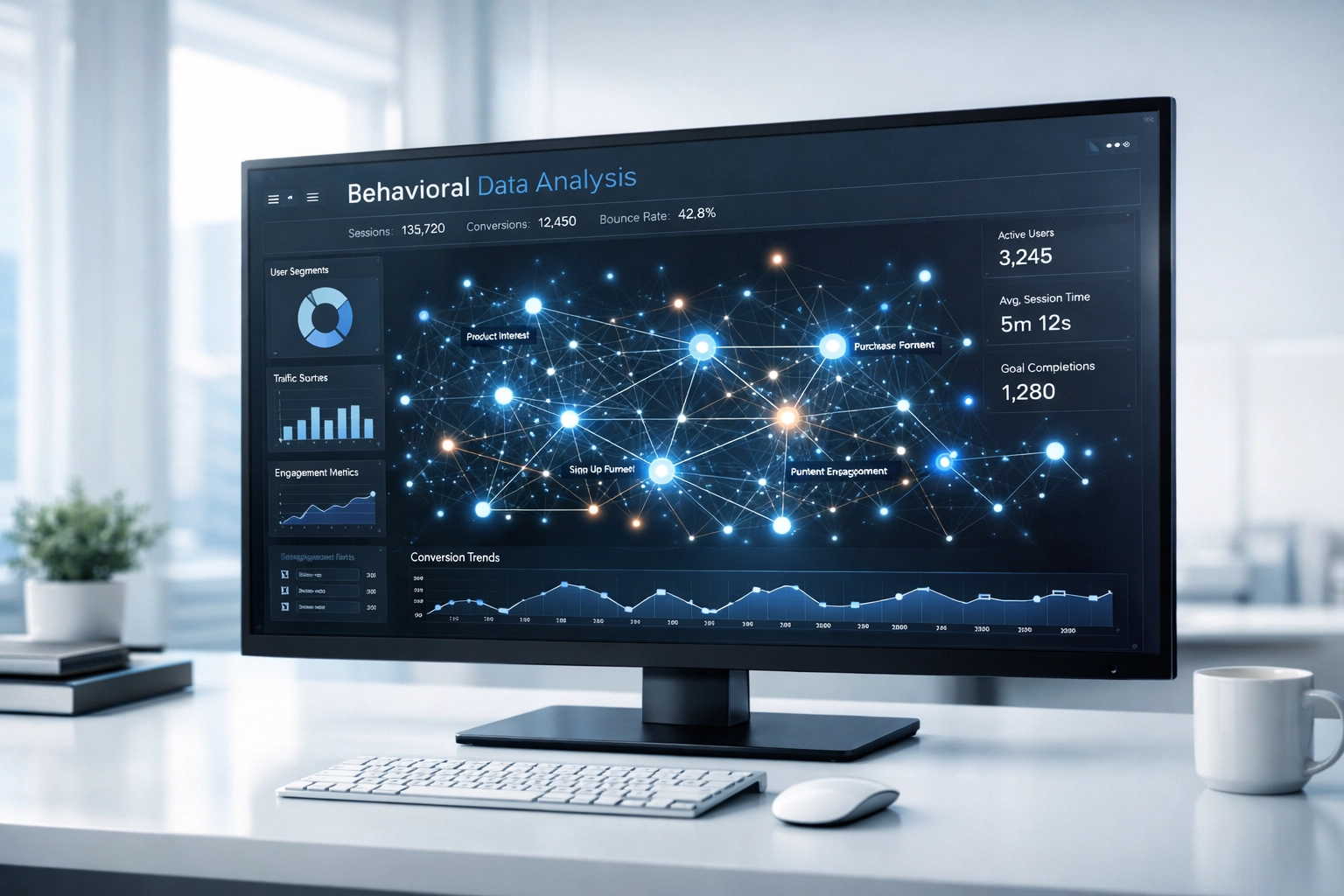
Behavior-triggered systems continuously evaluate routing effectiveness & adjust based on outcomes. If Enterprise leads assigned to Rep A convert at 12% but those assigned to Rep B convert at 28%, the system learns & shifts allocation automatically.
Implementation framework:
Track conversion rates by route (rep, team, channel, messaging variant)
Set minimum sample sizes before making routing changes
Test new routes at 10-20% allocation before scaling
Monitor for drop-off points & trigger human review when patterns emerge
This creates a self-improving system. Your routing gets smarter every week without manual intervention. Sales teams love it because they get better-fit leads. Marketing loves it because conversion rates climb without additional spend.
Hack 3: Deploy Context-Aware Message Sequencing
Stop sending the same sequence to everyone who takes the same action. Start adjusting based on their full behavioral profile.
Someone downloads your pricing guide. What happens next?
Static workflow: Everyone gets the same 5-email sequence about ROI, features, & customer success stories.
Behavior-triggered workflow: The system checks their previous engagement. First-time visitor? Start with educational content. Returning visitor who's read 8 blog posts? Jump straight to case studies & booking links. Enterprise domain with multiple team members researching? Route to ABM sequence with personalized video & executive briefing.
Key components:
Segment based on cumulative behavior, not last action
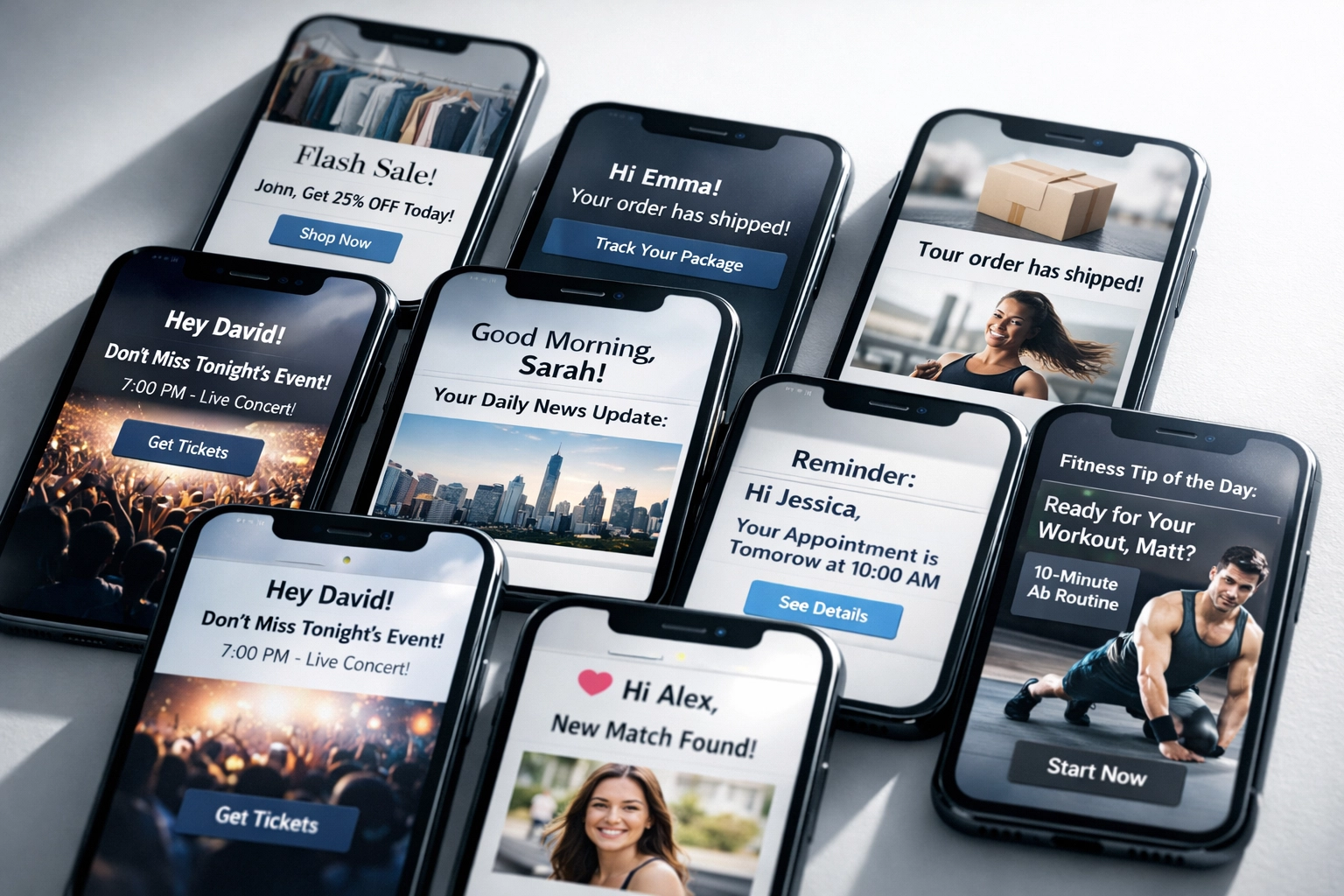
Personalize message depth & technical detail based on engagement history
Adjust sending frequency based on response patterns
Include exit ramps when engagement signals suggest they're not ready
This approach respects where prospects actually are in their journey instead of forcing them through your idealized funnel.
Hack 4: Implement Real-Time Feedback Loops
The most powerful behavior-triggered systems don't just execute: they evaluate mid-process & adjust.
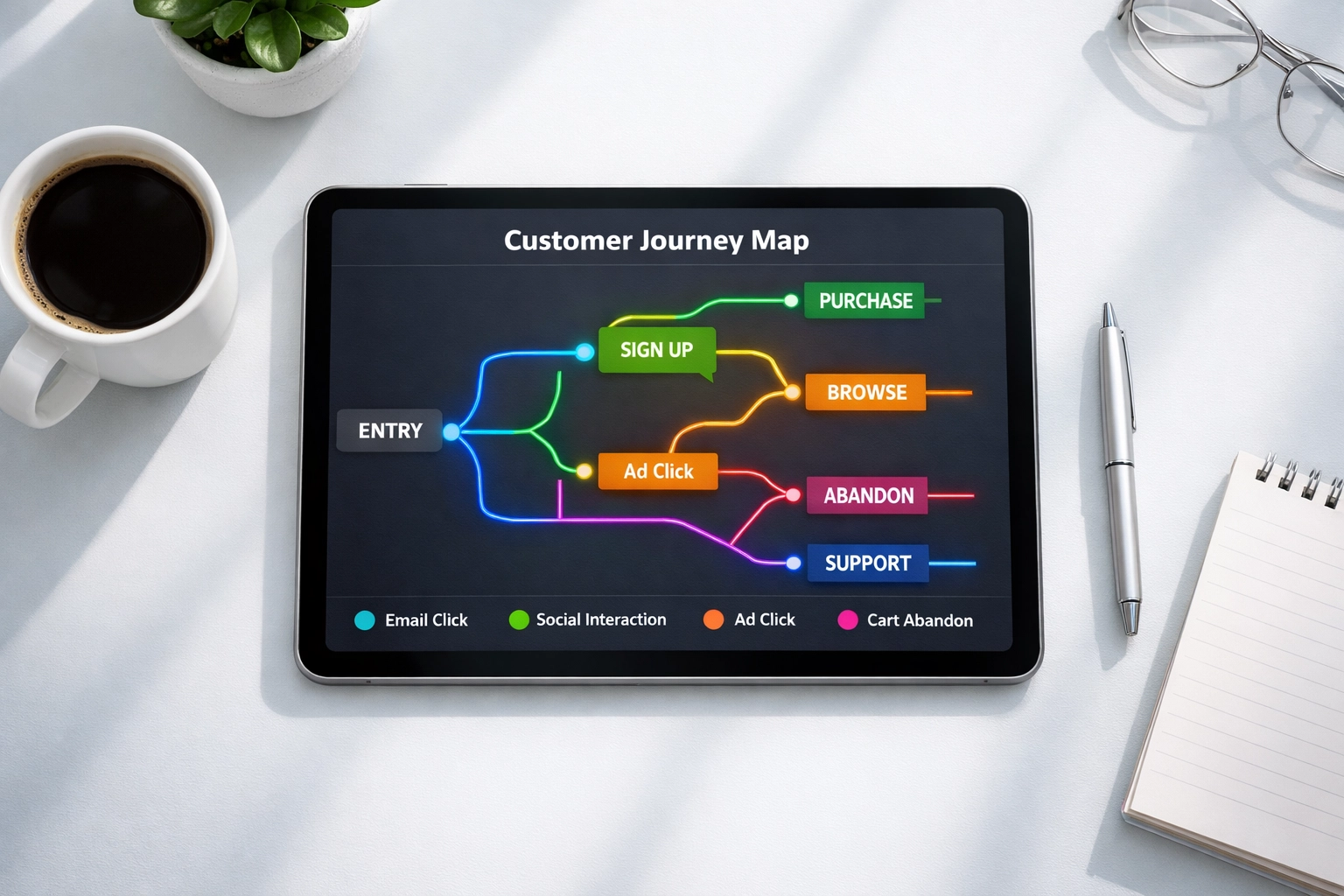
Example: Your webinar follow-up sequence. Static version sends the same three emails regardless of outcomes. Behavior-triggered version monitors:
Did they attend or just register?
If they attended, did they stay for Q&A?
Did they download the slides?
Have they visited your site since the webinar?
Based on these signals, the system dynamically chooses next steps: scheduling a demo call, sending additional resources, routing to a sales conversation, or backing off entirely.
Build feedback loops that:
Monitor engagement at each step
Adjust subsequent actions based on response patterns
Trigger human intervention when automation hits edge cases
Capture data on why paths changed for continuous improvement
Companies using this approach typically see 25-35% higher conversion rates through nurture sequences because they're not wasting touches on disengaged prospects or under-engaging hot leads.
Hack 5: Create Escalation Triggers for High-Value Behaviors
Not all behaviors deserve the same response. Behavior-triggered systems prioritize & escalate based on buying signals.
Set up automatic escalations when prospects demonstrate high-intent combinations:
C-level executive views pricing page multiple times in one session
Multiple employees from same company engage with content within 72 hours
Prospect configures product on interactive demo tool
Lead downloads competitor comparison guide then visits pricing page
When these patterns occur, the system doesn't just send an email: it triggers immediate human outreach, creates priority routing, & surfaces the full context to your sales team.
Implementation steps:
Define your highest-value behavioral combinations through historical conversion analysis
Build escalation rules that route to appropriate team members based on deal size & complexity
Include all relevant context in handoff notifications so reps can personalize outreach
Track escalation-to-conversion rates & refine triggers monthly
This ensures your best opportunities get immediate attention while lower-intent prospects continue through automated nurture.
Building Your Behavior-Triggered System
You don't need to rebuild everything overnight. Start with your highest-volume conversion path & implement one hack at a time.
Recommended rollout sequence:
Audit your current static workflows & identify where they're breaking down
Map the behavioral signals that actually correlate with conversion in your data
Replace your top-performing static workflow with intent-based triggers
Monitor results for 30 days & adjust thresholds
Layer in adaptive routing & context-aware sequencing
Add feedback loops & escalation triggers
Most teams see measurable conversion improvements within 45-60 days when they follow this approach systematically.
The Competitive Advantage
Here's what behavior-triggered automation gives you that static workflows can't:
Responses that match actual customer intent rather than assumed timelines
Systems that improve automatically based on real outcomes
Personalization that scales without proportional manual effort
Higher conversion rates with the same traffic & budget
Your competitors are still running workflows built on 2019 logic. That gap is your opportunity.
The companies winning in 2026 aren't just automating tasks: they're building intelligent systems that adapt, learn, & improve continuously. That's the difference between automation that checks boxes & automation that drives revenue.
Need help building behavior-triggered systems that actually work? We help consulting & SaaS companies transform static workflows into adaptive revenue engines. Learn more about our performance-driven transformation approach or explore how we're helping teams build AI-ready operating systems that scale.
Comments